
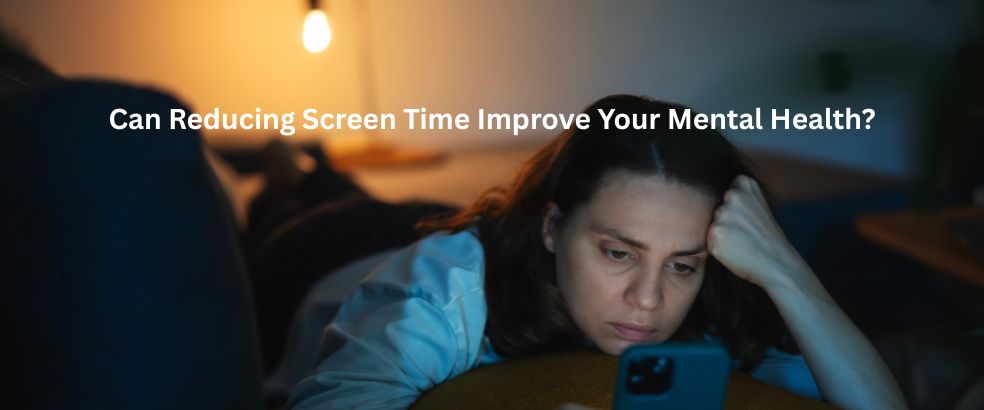
Screens have become an inseparable part of modern life. From smartphones and laptops to televisions and tablets, we rely on digital devices for work, communication, education, and entertainment. While technology has made life easier and more connected, excessive screen time is silently impacting our mental and emotional well-being.
Most people today spend a significant part of their day staring at screens—often without realising how deeply it affects their mind and body. At Serene Life Hospital in Chennai, we frequently see patients struggling with anxiety, low mood, irritability, sleep disturbances, and depression. In many cases, these symptoms are closely linked to prolonged and unregulated screen use.
Reducing screen time may sound like a small lifestyle change, but it can create a powerful positive shift in mental health.
The Growing Menace of Screen Time in India
India is one of the fastest-growing digital markets in the world. Studies and national digital usage reports suggest that the average Indian adult spends 6–7 hours a day on screens. Among adolescents and young adults, this number is often much higher due to social media, gaming, online streaming, and digital education.
After the COVID-19 pandemic, online classes and remote learning further increased daily screen exposure for children and teenagers. Some reports indicate that nearly 50% of Indian adolescents exceed recommended screen time limits.
As mental health professionals in Chennai, we have observed a noticeable rise in:
- Anxiety disorders
- Sleep problems
- Attention and concentration difficulties
- Mood swings and irritability
If this trend continues unchecked, excessive screen exposure could become a major mental health concern in India by 2030.
How Excessive Screen Time Affects Mental Health
Using digital devices is not harmful by itself. The problem begins when screen use becomes excessive, uncontrolled, and replaces healthy routines such as sleep, physical activity, and real-life social interaction.
Many individuals—especially those feeling insecure, lonely, or socially disconnected—tend to escape into the digital world. Over time, this can create emotional imbalance and strain personal relationships.
Increased Anxiety and Stress
Constant notifications, emails, messages, and social media updates keep the brain in a state of alertness. This continuous stimulation:
- Prevents mental relaxation
- Raises cortisol (stress hormone) levels
- Leads to mental fatigue and burnout
Social media also encourages comparison, fear of missing out (FOMO), and self-doubt, which can trigger anxiety, jealousy, and low self-esteem.
Sleep Disturbances and Insomnia
Excessive screen exposure—especially at night—directly affects sleep quality. The blue light emitted from screens suppresses melatonin, the hormone responsible for regulating sleep.
Late-night screen use can:
- Delay sleep onset
- Reduce deep sleep
- Cause frequent awakenings
Poor sleep then worsens mood, concentration, emotional control, and stress tolerance—leaving you tired, irritable, and mentally drained.
Mood Disorders and Depression
Several studies have found a link between prolonged screen time and depressive symptoms. Reduced face-to-face interaction, physical inactivity, and constant digital engagement can lead to emotional isolation and low mood.
While screens may not directly cause depression, they can significantly worsen existing emotional vulnerabilities.
Can Reducing Screen Time Really Help?
Yes. Research and clinical experience show that reducing screen time can significantly improve mental health, especially when combined with healthy lifestyle changes.
Benefits include:
- Better sleep quality
- Reduced anxiety and stress
- Improved mood stability
- Enhanced focus and mental clarity
When screen time is reduced, people naturally engage more in healthy activities like physical exercise, reading, creative hobbies, and social interactions. These changes may not feel immediate, but noticeable improvements often appear within a few weeks.
Reducing screen exposure also allows the nervous system to reset, decreasing mental over-stimulation and creating space for emotional recovery.
Healthy and Practical Ways to Reduce Screen Time
Reducing screen time does not mean eliminating technology—it means using it mindfully.
Simple and effective strategies include:
- Setting screen-free hours (especially before bedtime and after waking up)
- Turning off non-essential notifications
- Taking regular breaks during work
- Avoiding screens at least one hour before sleep
Practices like meditation, yoga, reading, writing, and creative hobbies can significantly enhance mood and overall happiness.
Screen Time and Children
Parents play a crucial role in regulating children’s screen habits. Children learn by observing—so the best way to limit their screen time is by setting an example yourself.
If children show early signs of digital or technology addiction, early intervention is essential. Therapy, sleep regulation, stress management, and behavioural restructuring can ensure healthy recovery.
The Earlier the Intervention, the Better
Mental health issues related to lifestyle habits develop gradually. Early intervention can prevent progression into severe anxiety disorders, depression, or chronic sleep problems.
Unfortunately, many individuals in India delay seeking professional help until symptoms become overwhelming. Acting early—by modifying screen habits and consulting a mental health professional—can make recovery faster and more sustainable.
If you or your loved ones are experiencing early warning signs, consult a qualified psychologist in Chennai without delay.
When it comes to screen time, the important point to remember is
“Digital technology is here to stay. The goal is not avoidance, but balance.”
Reach Out to Serene Life Hospital, Chennai
If you feel overwhelmed, anxious, exhausted, or disconnected from reality, don’t ignore the signs. At Serene Life Hospital, a trusted mental health and sleep disorder hospital in Chennai, we offer compassionate, confidential, and professional care for concerns related to stress, sleep disorders, depression, and lifestyle-related mental health issues.
Contact us today and take the first step towards restoring balance, clarity, and emotional well-being.

