
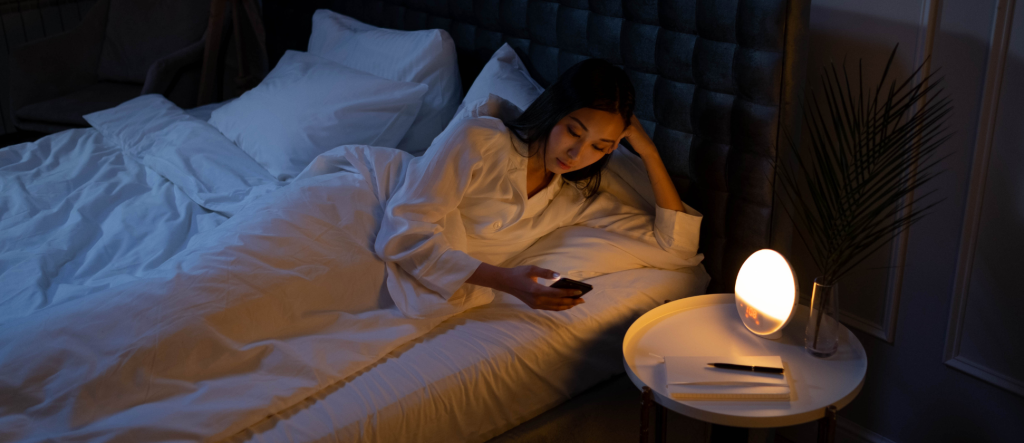
Sleep struggles while your mind keeps running through worries usually affect much more than just your nights. Mental health and sleep problems are often connected with anxiety, stress, and poor sleep. Although difficult nights may leave you tired and distracted the next day, ongoing worry may also affect bedtime. Keep reading if you can’t sleep and always worried.
What Is the Connection Between Sleep and Anxiety?
Sleep problems and anxiety can create a difficult-to-break cycle. Although anxiety may make falling asleep or staying asleep harder, emotional distress can be increased due to poor sleep. Sleep disorders and anxiety disorders may occur together because one can lead to another.
People who are experiencing anxiety and lack of sleep may notice racing thoughts, restlessness, irritability, nervousness, and difficulty concentrating. A faster heart rate, rapid breathing, sweating, tense muscles, or trembling are also some of its physical symptoms.
Bedtime itself may become a cause of fear for those experiencing difficulty sleeping and anxiety. Alertness may also be increased due to thoughts of not getting enough sleep because of stress and sleep problems.
Why Does Anxiety Affect Sleep?
Anxiety causing sleep problems are also connected to the body’s response to stress. The body may release hormones supporting a rapid response to perceived danger after a person experiences ongoing stress.
Waking during the night with stressful thoughts and struggling to return to sleep are also parts of sleep disturbance due to anxiety. Some people also wake up suddenly during the night as they experience panic attacks.
Sleep problems due to stress may also happen with insomnia, sleep apnea, restless legs syndrome, or other sleep disorders. Physical health conditions, medications, shift work, and stressful life circumstances can also affect sleep.
Can Poor Sleep Affect Concentration?
Poor sleep and concentration can also happen together. A person may also feel mentally tired, irritable, or less able to focus on daily tasks. It may also affect work, studies, planning, and interactions with other people.
The sleep and mental health connection is also mentioned in mental health research. Sleep disturbance may also make concentrate, make decisions, and manage everyday activities harder.
It can be useful to look at both problems if you’re experiencing difficulty concentrating and anxiety. Discussion with a qualified healthcare professional is indeed needed if you are experiencing persistent symptoms.
Signs That Worry May Be Affecting Your Sleep
People who feel always worried and can’t sleep may notice worrying patterns before bedtime, difficulty switching off their thoughts, frequent waking, or feeling tense when they get into bed.
Excessive worrying and sleep problems may also happen with feelings of being overwhelmed, nervousness, restlessness, or a sense of impending danger. They usually don’t mean that someone is having an anxiety disorder. Professional attention is indeed needed for those experiencing persistent or worsening symptoms.
Common anxiety and sleep symptoms
| Anxiety-related symptoms | Sleep-related effects |
| Nervousness | Difficulty falling asleep |
| Restlessness | Frequent waking |
| Racing or stressful thoughts | Difficulty returning to sleep |
| Irritability | Daytime tiredness |
| Difficulty concentrating | Reduced ability to manage daily tasks |
How Stress Can Disrupt Sleep
Work pressure, financial concerns, relationship difficulties, health worries, or major changes in daily life may lead to anxiety symptoms and sleep issues. Stress & worries may affect sleep.
Stress and sleep problems may also support each other. Although poor sleep may make the next day difficult for someone, more worry can happen before bedtime due to stress.
You must consult a healthcare professional if these difficulties have continued for weeks or months. It helps you verify whether anxiety, insomnia, another sleep condition, or a physical health issue may be involved.
What Can Help?
The cause plays an important role in deciding the exact treatment.
Cognitive behavioral therapy for insomnia (CBT-I) is often referred to as a first-line treatment for insomnia. It changes behaviour & thoughts connected to sleep and reduces the connection between the bed and worry.
Good sleep hygiene is also another helpful technique. Keeping a consistent sleep and wake schedule, avoiding caffeine later in the day, limiting screen use before bed, creating a comfortable bedroom, and getting out of bed if you cannot fall asleep after some time are helpful ways to do it.
Consulting a qualified professional is important if your sleep or anxiety symptoms are interfering with daily tasks. Serene Life Hospital also helps you get professional support for concerns related to mental health and sleep.
Understanding Anxiety Symptoms
Anyone can understand when occasional worry may have become a persistent problem due to anxiety symptoms. Nervousness, restlessness, irritability, rapid breathing, sweating, and difficulty concentrating are emotional, behavioural, and physical changes that happen during anxiety.
Self-diagnosis is not enough because common signs of anxiety disorder may overlap with other mental or physical health conditions. A healthcare professional can therefore review symptoms, medical history, and sleep patterns before deciding whether further evaluation is needed.
Mental Health and Sleep Need Attention Together
The relationship between mental health and sleep works in both directions. Sleep can be affected due to a mental health condition. Ongoing sleep disturbance, meanwhile, can also affect mood, concentration and everyday functioning.
It is therefore important to understand the connection between mental health and sleep problems when worry and poor sleep start affecting daily life. Although better sleep is indeed helpful, persistent problems may lead to a lack of sleep and concentration.
You should consider speaking with a qualified healthcare professional if you are struggling with ongoing sleep difficulties, anxiety, or daytime concentration problems. Contact Serene Life Hospital for professional guidance and support based on your individual concerns.

